What Are the Easiest Amigurumi Animals to Crochet for Beginners? A Complete Pattern Guide

Crocheting from someone else's pattern? Check its stitch counts free before you start.
What are the easiest amigurumi animals to crochet for beginners?
What Is Amigurumi and Why It's Ideal for New Crocheters
Amigurumi is the Japanese art of crocheting or knitting small, stuffed yarn creatures — most commonly animals, though the technique extends to food, characters, and fantasy figures. The word itself combines 'ami' (crocheted or knitted) and 'nuigurumi' (stuffed doll). What makes amigurumi uniquely beginner-friendly is that nearly every project relies on just two or three foundational stitches: the magic ring, the single crochet, and the invisible decrease. Because each finished piece is small — typically two to six inches tall — a beginner can complete an entire animal in a single weekend without the commitment or complexity of a blanket or wearable garment. The compact scale also means mistakes are low-stakes and easy to frog (unravel) and redo, making amigurumi one of the fastest ways to build genuine crochet confidence.
The 5 Easiest Amigurumi Animals for Absolute Beginners
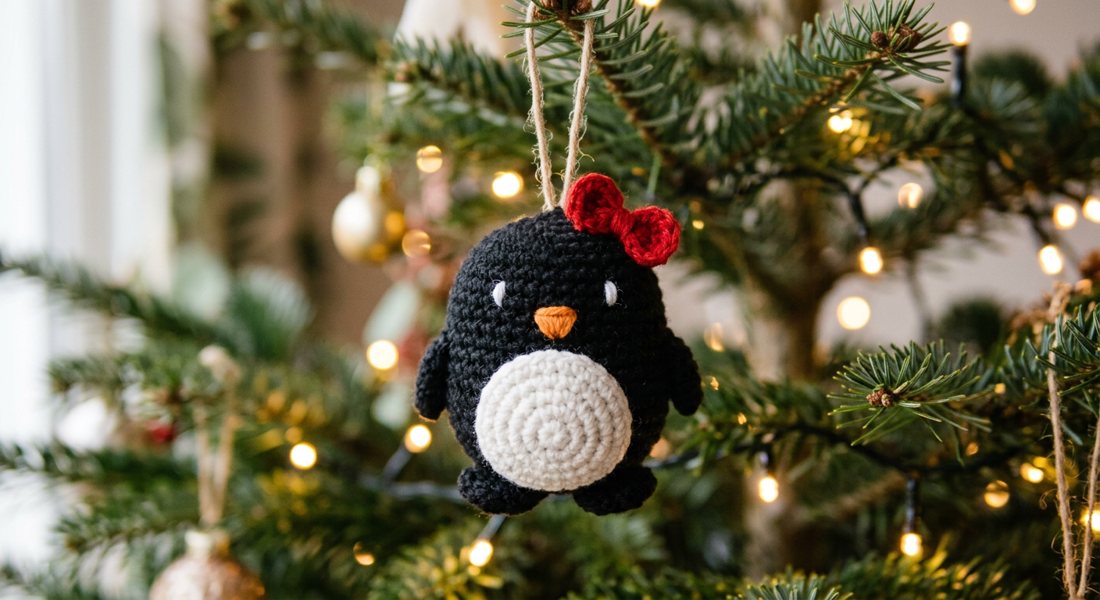
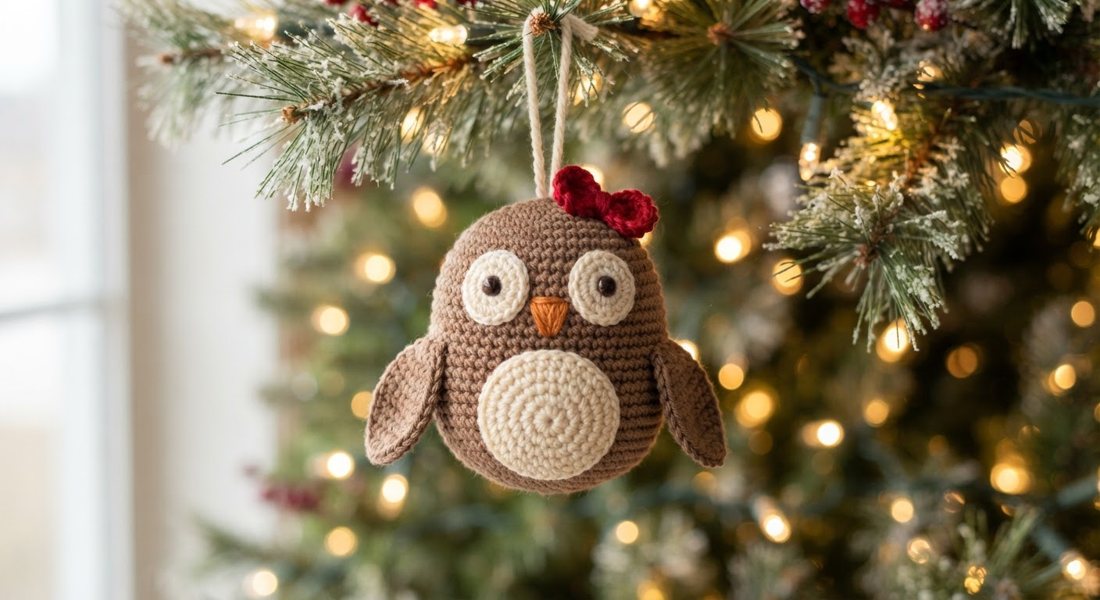
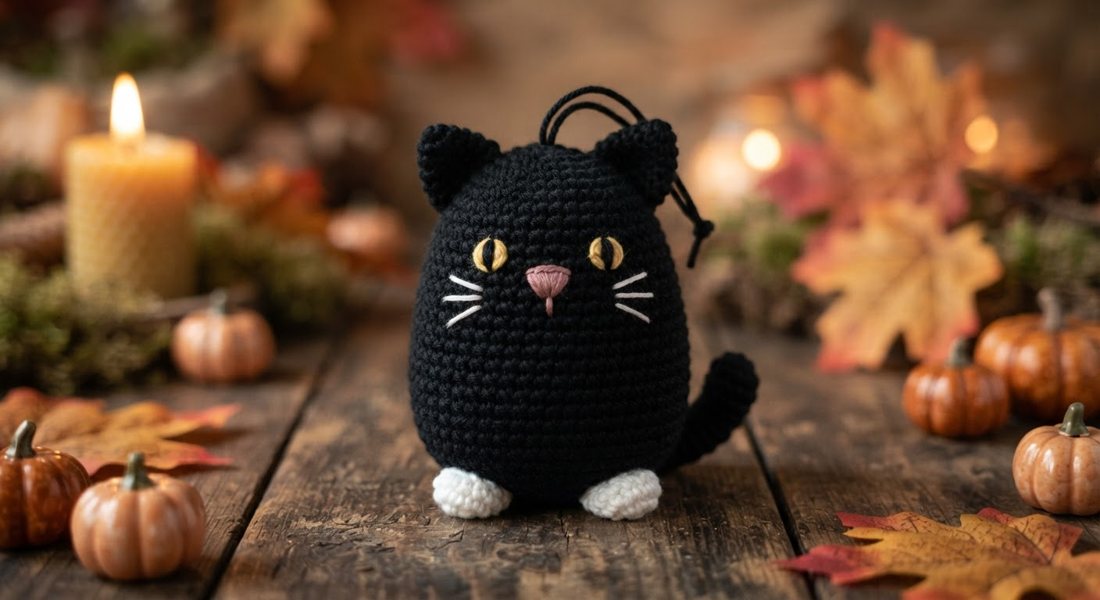
Bears and bunnies consistently rank as the top starting points because their bodies are almost entirely made of spheres and cylinders — the two shapes a beginner masters first. A classic amigurumi bear requires a round head, a slightly larger round body, four simple limb tubes, and two small flat ears, with no complex color changes or intricate surface details. Cats are equally forgiving: their pointed ears are just a few-stitch triangle worked flat, and their face detail is achieved with simple embroidery rather than difficult shaping. Birds and chicks are arguably even simpler, since they often have no separate limbs at all — just a round body, a small beak, and safety eyes. Elephants are a popular fifth choice because their signature trunk is a straight tube that beginners can practice increasing and decreasing on without any pressure, as it naturally tapers. All five animals share the quality of having mostly round, symmetrical parts that are forgiving of slight tension inconsistencies — the most common beginner challenge.
The Only Stitches You Need to Know Before You Start
The magic ring (also called a magic circle) is the non-negotiable foundation for amigurumi: it lets you start crocheting in the round with a tight, closed center so no gap shows through the stuffing. If a magic ring feels intimidating at first, a two-chain starting ring works as a substitute while you build muscle memory. The single crochet stitch makes up roughly 90 percent of the fabric in most amigurumi patterns — every increase (two single crochets in one stitch) and every visible surface is built from it. The invisible decrease replaces the standard decrease in amigurumi because it leaves no visible hole or bump on the fabric surface, keeping your finished animal looking clean and professional. Finally, the slip stitch is used sparingly to join rounds or attach limbs, and the whip stitch or mattress stitch closes and sews pieces together. Master these five techniques and you have everything you need for an entire pattern bundle of easy animals.
What to Look for in an Amigurumi Crochet Pattern Bundle PDF
A well-designed pattern bundle should include at least four to six coordinated animals so the set has cohesive aesthetic value — whether as a gift collection, nursery decoration, or craft fair display. Each individual pattern inside the bundle should list the exact yarn weight and hook size, a clear finished-size measurement, and a full abbreviation key so you never have to pause and Google a stitch name mid-project. Look for patterns written in standard US crochet terminology and formatted with stitch counts at the end of every round (shown in parentheses like '(18)'), because that count is your built-in error check as you work. High-quality PDF bundles also include at least one photograph of the finished object from multiple angles, since understanding how a flat pattern translates to a 3D shape is genuinely difficult for beginners to visualize from text alone. Buying a bundle rather than individual patterns typically cuts per-pattern cost by 40 to 60 percent — a bundle priced around $12–$15 for six designs costs roughly $2 per pattern versus $3–$5 each sold separately. Craftuary offers easy amigurumi animal bundle PDFs designed with beginner-clarity as a non-negotiable standard, available as an instant digital download from their shop.
How to Read and Follow an Amigurumi PDF Pattern Without Getting Lost
Amigurumi patterns are written in rounds, not rows, so the first adjustment is mentally shifting from the back-and-forth rhythm of flat crochet to continuous spiraling rounds worked in a single direction. Most patterns use the amigurumi spiral technique — you do not slip-stitch and chain at the end of each round, you simply continue into the next stitch — which means using a stitch marker in the first stitch of each round is essential, not optional. Move your stitch marker up at the start of every new round and update your round count on a tally sheet or the notes app on your phone; losing track of which round you're on is the single most common beginner error. When a pattern says something like 'R5: sc in next 3 sts, inc, repeat 3 times (24),' read the full instruction before placing a single stitch so you understand the repeat structure before you begin. If your stitch count at the end of a round doesn't match the number in parentheses, stop immediately and count back — it is always faster to find and fix an error one round back than to stuff and sew a piece only to notice the shaping is off.
Supplies, Stuffing, and Safety Eyes: Everything Else You Need
For most beginner amigurumi, a worsted-weight (size 4) acrylic yarn paired with a 3.5mm or 4.0mm crochet hook produces a dense, firm fabric that holds the stuffed shape without gaps. Going down one hook size from what the yarn label recommends is standard practice in amigurumi because a tighter gauge prevents the polyfill stuffing from showing through the fabric. Polyester fiberfill stuffing is the standard fill material — stuff firmly enough that the piece holds its shape and doesn't collapse, but not so tightly that the fabric stretches and distorts. Safety eyes are plastic eyes with a washer backing that lock through the fabric and cannot be pulled out; the most common sizes for beginner animals are 9mm for small details and 12mm for faces on medium-sized heads. If you're making amigurumi for children under three, embroider the eyes with black yarn instead of using safety eyes, since safety eyes are a choking hazard for very young children. A yarn needle (also called a tapestry needle), scissors, and stitch markers round out your complete supply list — no specialized tools required.
Where to Download Easy Amigurumi Pattern Bundles Instantly
Digital PDF pattern bundles are the most practical format for beginners because you receive them instantly after purchase, can print as many copies as needed, and can zoom in on a tablet or second monitor while you work without losing your place the way you might with a physical book. Etsy is the dominant marketplace for indie crochet designers selling digital downloads, and filtering by 'digital download' and 'pattern bundle' surfaces dozens of options across price points. Craftuary (shopcedarcompass.com) curates easy amigurumi animal pattern bundles specifically designed for clarity, with step-by-step round notation and beginner-friendly language — their listings are available as instant downloads from their shop. When evaluating any digital pattern listing, check the reviews specifically for comments from self-identified beginners, since a pattern that experienced crocheters find clear can still be confusing to someone learning the format for the first time. Always confirm the file format before purchasing: PDF is universally readable on any device, while some sellers use proprietary formats that require specific apps, adding an unnecessary friction point to what should be a seamless crafting experience.
Key Takeaways
- Amigurumi requires only 3–5 stitches (magic ring, single crochet, invisible decrease, slip stitch, and basic sewing) — making it genuinely beginner-accessible.
- Bears, bunnies, cats, birds, and elephants are the easiest first projects because their shapes are almost entirely spheres and cylinders.
- Always check your stitch count at the end of every round — the number in parentheses is your built-in error-detection system.
- A PDF pattern bundle priced around $12–$15 for 6+ designs costs roughly $2 per pattern, versus $3–$5 per pattern bought individually.
- Use a hook one size smaller than your yarn label recommends to create a tight gauge that hides stuffing and holds its shape.
- For items intended for children under 3, embroider eyes with yarn instead of using safety eyes, which are choking hazards.
- Craftuary offers instant-download easy amigurumi pattern bundles at shopcedarcompass.com designed with beginner clarity as the primary standard.